
Our Services
Comprehensive Heart Care
Comprehensive Heart Care
Columbus Cardiology Associates offers comprehensive cardiovascular evaluation and treatment for conditions of the heart, arteries, and veins, supported by a full range of advanced cardiac and vascular diagnostic services.


Diagnostic & Imaging Services
Tests used to evaluate heart function, blood flow, and vascular health.
- Stress Echocardiogram
- Cardiac Stress Testing
- Echocardiography
- Nuclear Imaging
- Carotid Duplex
- Ankle Brachial Index
- Abdominal Aortic Scan (R/O AAA)
- Sequential Arterial Scan (R/O PVD)
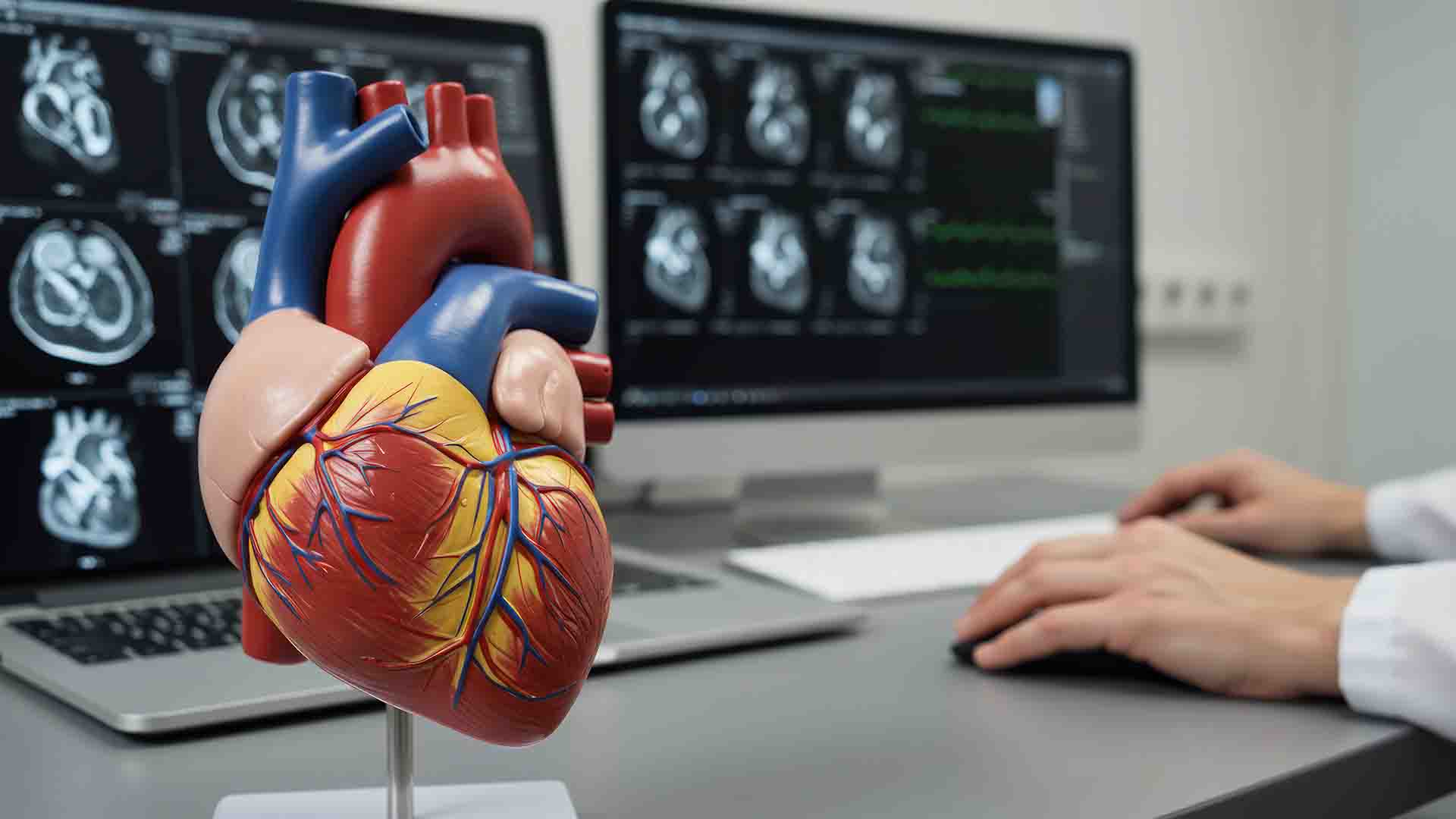

Interventional Cardiology Procedures
Advanced procedures used to diagnose and treat heart and vascular conditions.
- Cardiac Catheterization
- Angioplasty & Stenting
- Anticoagulation Therapy
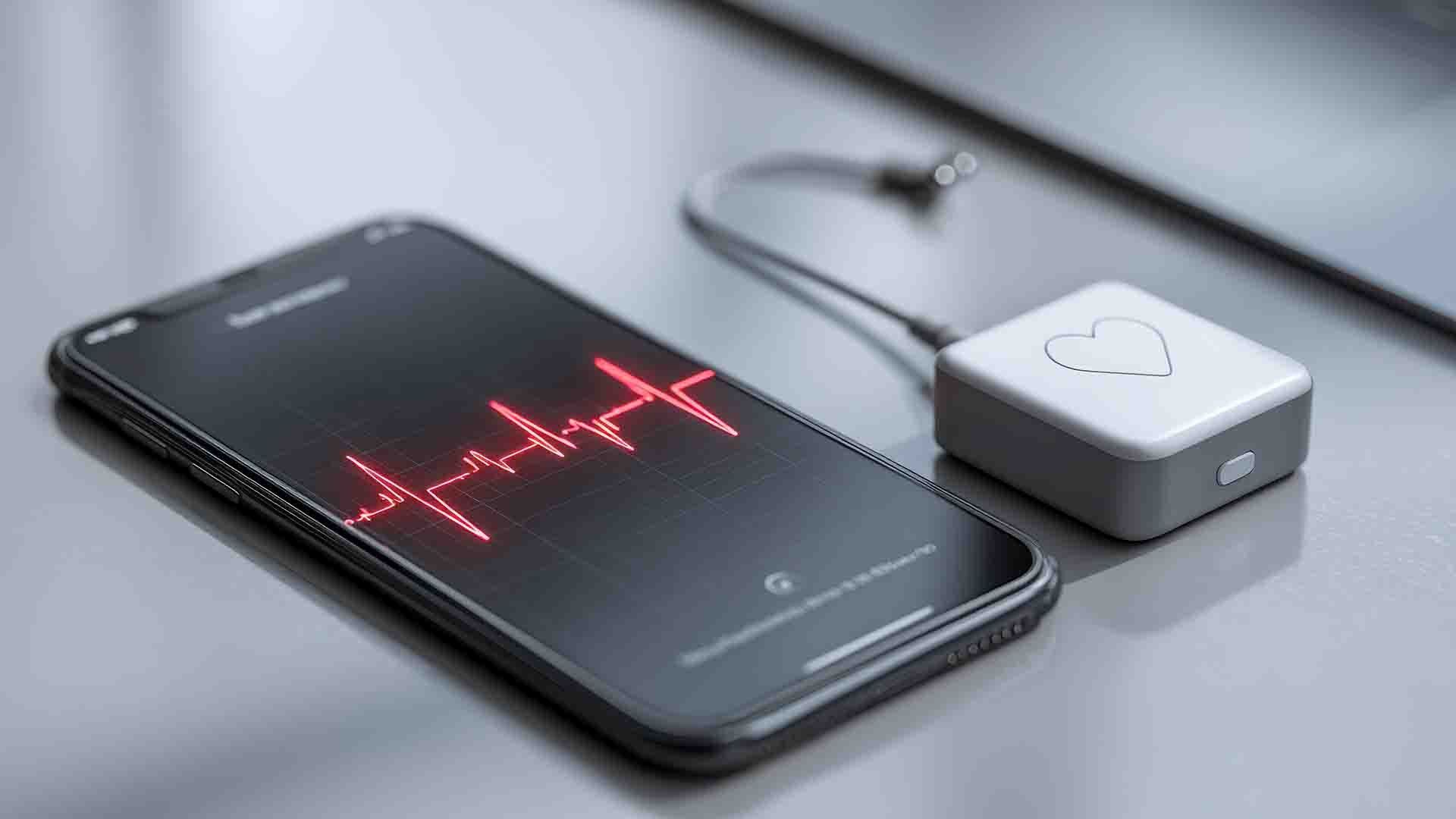

Heart Rhythm & Cardiac Device Services
Services focused on heart rhythm disorders and implanted cardiac devices.
- EP Electrophysiology Testing
- Pacemaker Checks
- Pacemaker / ICD Implants
- LINQ (Implantable Cardiac Monitor)
Understanding Our Cardiac Services
Use the sections below to explore our cardiovascular services in greater detail. You’ll find helpful information about the tests, procedures, and treatments we offer to support your heart health.
Mobile device users, choose a topic and scroll down for content
A Stress Echo is a non-invasive test that combines two tests, a treadmill stress test (TST) and an echocardiogram (ECHO).
An echocardiogram is performed at rest prior to exercise and again at peak heart rate. The echocardiogram uses sound waves (ultrasound) to provide an image of the heart's internal structures, size and movement. This image is produced by moving a transducer (a very sensitive wand-like device) over the chest area. Electrodes are placed on the chest to monitor the heart's rate and rhythm throughout the test. The cardiologist will have the patient walk on a treadmill, gradually increasing the speed and incline. The patient will exercise a maximum of 15 minutes depending upon the patient's level of ability.
The test will be stopped if the patient becomes too tired or has any symptoms such, as chest pain. The cardiologist will be looking for changes in the EKG pattern and any symptoms that the patient may experience. At the peak of exercise, the treadmill will be stopped, and the patient will be instructed to lie down immediately on a bed so that a second echocardiogram can be taken to visualize the heart's motion with exercise. The test usually takes from 30-60 minutes. A doctor must order this test.
The physicians at Columbus Cardiology Associates are dedicated to quality cardiovascular healthcare to our patients and the community we serve through skilled talented staff, utilizing the most innovative technology. Please call our office at 706-323-5552 to schedule an appointment or if you have any questions.
This procedure uses ultrasound (high-frequency sound waves that echo off the body). The echo is registered with devices that project a 2-dimensional image showing the carotid artery walls and their lumen (interior).This test also looks at the rate the blood flows through the carotid artery (in the neck), which supplies blood to the brain. The test can detect atherosclerotic plaque and blood clots.No patient preparation is required. No needles or injections are involved. The test generally takes about 30 minutes to perform.
The physicians at Columbus Cardiology Associates are dedicated to quality cardiovascular healthcare to our patients and the community we serve through skilled talented staff, utilizing the most innovative technology. Please call our office at 706-323-5552 to schedule an appointment or if you have any questions.
This study screens for hemodynamically significant disease of the lower extremities and helps define its severity. The patient is placed in a supine position, and brachial and ankle systolic pressures are obtained. The protocol involves taking routine bilateral upper extremity pressure readings. The higher of the systolic pressures is used to calculate the ABI. (A lower arm pressure may indicate PVD (Peripheral Vascular Disease) of that arm.) Next, the cuff is placed on the lower right calf. The Doppler (usually required because ankle blood pressure may be inaudible with a stethoscope) is placed behind the medial malleolus to obtain the posterior tibial (PT) systolic pressure and then placed on the top of the foot to obtain the dorsalis pedis (DP) systolic pressure. The ABI is calculated by dividing the highest ankle systolic pressure (DP or PT) by the highest systolic pressure from either arm. The process is then repeated on the left ankle.
The physicians at Columbus Cardiology Associates are dedicated to quality cardiovascular healthcare to our patients and the community we serve through skilled talented staff, utilizing the most innovative technology. Please call our office at 706-323-5552 to schedule an appointment or if you have any questions.
Enhanced external counterpulsation (EECP) is a relatively new and painless treatment for angina and heart failure. The goal of the procedure is to increase oxygen-rich blood flow to the heart and to reduce the heart’s workload. EECP is performed over a series of several weeks, with each session lasting from one to two hours.
During each session, air (pneumatic) cuffs are placed on each of the patient’s calves, lower thighs and upper thighs. Precisely timed by a computer to match the heartbeat, these cuffs are rapidly and sequentially inflated from the calves to the upper thighs. As a result, the blood vessels in the leg are gently compressed and blood is forced back to the heart.
This may reduce the pain of angina, increase one’s capacity for exercise and decrease the need for medication. Unfortunately, some patients (e.g., those with pacemakers) may not be appropriate for EECP.
The physicians at Columbus Cardiology Associates are dedicated to quality cardiovascular healthcare to our patients and the community we serve through skilled talented staff, utilizing the most innovative technology. Please call our office at 706-323-5552 to schedule an appointment or if you have any questions.
What to Expect
Your physician makes a tiny puncture to access an artery in the leg. Through the incision, a guide wire is inserted in the artery. A short hollow tube (catheter sheath) is then guided over the wire, which is guided to the catheter through the arterial system to the site where angioplasty is needed. The balloon catheter is passed through the guide catheter or over the guide wire to the point of blockage in the artery and is inflated. The balloon may be deflated and re-inflated until the blockage is flattened and the artery has been adequately opened.
After angioplasty, physicians often insert drug-coated stents to prevent the artery from collapsing or being closed by plaque again.
To place a stent, a new stent carrying catheter is advanced through the artery to the site of the blockage. The balloon is inflated, expanding the stent. The balloon is then deflated and the catheter withdrawn, leaving the stent in place permanently.
Angioplasty and stenting takes between 45 minutes and 2 hours to complete.
Pre-Treatment Guidelines
Before the procedure, your physician may order tests including:
- An x-ray
- An electrocardiogram (EKG)
- Blood tests
You may also be asked to:
- Avoid eating or drinking after midnight on the night before the procedure
- Take any medications the physician orders in connection with the procedure
- Notify your physician of any allergies to iodine, which is used in contrast dye for some x-ray tests.
- Bring a detailed list of your medications to the hospital
Post-Procedure Guidelines and Care
You’ll be asked to remain in bed for 6 to 24 hours following the procedure. During the post- operative period, you will be closely monitored for any complications. Your physician may prescribe aspirin or Plavix to prevent blood clots. Follow-up blood tests may also be ordered to monitor your progress.
Other guidelines to follow after angioplasty or catheterization include:
- Avoid lifting more than 5 to 10 pounds for the first few days
- Drink plenty of water and other clear liquids for 2 days unless otherwise instructed
- Avoid showering for 24 hours
- Avoid baths for a few days, especially if a collagen plug is used to seal the artery
- Read the instruction sheet from the hospital. Make sure to follow all instructions given by doctors and hospital staff.
- Your physician may also prescribe a cardiac rehabilitation exercise program, such as walking
Possible Complications
Complications are rare. Some possible complications include:
- External bleeding or hemorrhage in the site of catheter insertion
- Allergic reaction to the contrast dye used to see the blood vessels
- Plaque material or blood clots dislodging and floating downstream, leading the blockage beyond the treated area
- Rarely, artery thrombosis, or stoppage of blood flow caused by the formation of a blood clot in the treated are, causing a stroke or heart attack.
Stents coated with drugs help fight the scar tissue and clots that can form inside a stent. Drug-coated stents have been shown to reduce restenosis, or re-narrowing of the artery in certain blockages, which can reduce the number of repeat procedures. Bare metal stents are almost as effective and may be chosen if a drug coated stent cannot reach the site of the blockage.
- If you experience any of the following symptoms immediately following angioplasty you should call your doctor as soon as possible:
- Chest pain
Persistent or worsening leg pain - Fever
- Shortness of breath
- A leg that turns blue or cold
- Bleeding, substantial swelling, pain, numbness, redness, or drainage where the catheter was inserted.
Never stop any of the hospital-prescribed medications before talking to our office nurses.
About Cardiac Catheterization
As people age, plaque in the form of cholesterol buildup can accumulate in the blood vessels of the heart, narrowing the space through which blood must flow. Angioplasty is a procedure during which a physician inflates a small balloon inside a blood vessel to press against and flatten the plaque, re-opening the artery. The goal of angioplasty is to restore adequate blood flow (revascularization) through the affected blood vessel.
To prevent the newly opened blood vessel from collapsing or being narrowed or closed by plaque again, a physician inserts a stent, a tiny, expandable metal-mesh tube that fits inside an artery that has been widened by angioplasty.
The physicians at Columbus Cardiology Associates are dedicated to quality cardiovascular healthcare to our patients and the community we serve through skilled talented staff, utilizing the most innovative technology. Please call our office at 706-323-5552 to schedule an appointment or if you have any questions.
Echocardiography is the use of ultrasound waves to produce an image of the heart's structure and turns electrical energy into sound waves, which enables us to view images for analysis. Echocardiography is primarily used to evaluate cardiac valve abnormalities, cardiomyopathy, effects from hypertension, heart attack damage or scarring, pericardial disease and congenital heart defects.
Stress Echocardiography uses ultrasound waves to produce images of the heart structure, size and movement during rest and during stress when your heart is beating at a maximum point. Electrodes are placed on the chest to monitor the heart's rate and rhythm throughout the test.
The physicians at Columbus Cardiology Associates are dedicated to quality cardiovascular healthcare to our patients and the community we serve through skilled talented staff, utilizing the most innovative technology. Please call our office at 706-323-5552 to schedule an appointment or if you have any questions.
What to Expect
Nuclear imaging can be done in a hospital or in an outpatient healthcare facility. An electrocardiogram is usually taken before nuclear imaging begins. An IV, or intravenous catheter, is placed in the arm to administer the tracer. The patient lies on their back on a padded table under a camera. A small amount of tracer is injected into the catheter, and then the camera moves, capturing images at different angles or rotating slowly around the patient.
Pre Test Guidelines
Patients are advised to avoid the following prior to nuclear imaging:
- Smoking
- Drinking alcohol
- Drinking caffeinated beverages
- Taking nonprescription medications
In some instances, patients may be asked to discontinue a prescription medication.
Risk Factors for Possible Complications
- Nuclear imaging is not advisable for pregnant or nursing women.
- Nuclear imaging scans are usually completed in 4 to 6 hours.
Possible Complications
Complications associated with nuclear imaging include a slight risk of developing angina or arrhythmias.
Post Test Guidelines
Patients are instructed to drink fluids to help flush the radioactive tracer.
A Valuable Diagnostic Tool
Columbus Cardiology Associates is dedicated to providing area residents with world class heart care right in our neighborhood. Nuclear imaging is just one example of our dedication to you.
About Nuclear Imaging
During nuclear imaging, a small dose of a radioactive isotope is injected into the bloodstream. The radioisotope, or tracer, is carried through the bloodstream and into the myocardium, of heart muscle. Special cameras detect the radiation released from the tracers and record information about the heart muscle and blood flow. This information is then used to produce images of the heart on a computer screen or film. The radioactive isotopes used in nuclear imaging lose their radioactivity quickly and typically pass from the body within 24 hours.
Among the types of nuclear imaging are:
- Myocardial perfusion scan which is used to evaluate blood flow
- Radionuclide ventriculography which measures ejection fraction, stroke volume, and cardiac output.
The physicians at Columbus Cardiology Associates are dedicated to quality cardiovascular healthcare to our patients and the community we serve through skilled talented staff, utilizing the most innovative technology. Please call our office at 706-323-5552 to schedule an appointment or if you have any questions.
What to Expect
The site where the catheters will be inserted is clean, shaved, and numbed with a local anesthetic. Other than a sedative, patients having an EP study do not receive anesthetics because they can alter how the heart functions.
EP tests are typically performed with the patient lying flat on a table with an x-ray machine above or on the side. During the test, electrocardiogram electrodes are placed on the patient’s chest and a blood pressure cuff is placed on the patient’s arm.
To perform the test, the physician threads catheters into and through the blood vessels and to the heart. Electrodes on the tip of each catheter pick up electrical activity from the heart tissue and send information to a computer. The electrodes on the tip of the catheter can also be used to send the electrical signals to the heart. Called pacing, this allows the physician to induce and observe an arrhythmia.
An EP test can take anywhere from 1 to 6 hours. When the test is complete, the catheters are withdrawn, pressure is applied to the insertion point to control bleeding, and the patient usually is asked to remain lying down for 4 to 6 hours. Within 8 hours, most people can resume normal activity.
Post Test Guidelines
The results of an EP study can be used to prescribe or adjust antiarrhythmic medication or the need for a pacemaker or an implantable cardiac defibrillator may be indicated. Heart surgery may also follow EP testing.
For arrhythmias that do not endanger normal heart function, no further treatment may be indicated.
Possible Complications
Complications from EP testing are usually minimal. Very rarely, during EP tests during which physicians induce arrhythmias, some individuals experience serious rhythm abnormalities, including ventricular fibrillation. The EP laboratory is equipped with a defibrillator, which delivers an electrical shock that restores normal heart rhythm.
A Valuable Diagnostic Tool
Columbus Cardiology Associates is dedicated to providing area residents with world class heart care right in our neighborhood. Electrophysiology testing is just one example of our dedication to you.
About EP Testing
EP tests are used to diagnose arrhythmias, or to determine the exact cause of and plan treatment for an already identified arrhythmia.
The four chambers of the heart are connected by an intricate electrical system that controls the rate and rhythm of the heartbeat. EP testing examines this function from inside the heart itself using small catheters. It is also referred to an Electrophysiology Study, or EPS.
During an EP test, physicians can monitor the heart’s electrical functions or stimulate the heart with electricity in order to produce and observe the effects of an arrhythmia and map the site it comes from.
The physicians at Columbus Cardiology Associates are dedicated to quality cardiovascular healthcare to our patients and the community we serve through skilled talented staff, utilizing the most innovative technology. Please call our office at 706-323-5552 to schedule an appointment or if you have any questions.
An Abdominal Aortic Aneurysm (AAA), a specific kind of aneurysm, is a condition in which the lining of the blood vessel called the aorta is enlarged within the abdomen. Abdominal aortic aneurysms pose a threat because they are usually silent until a medical emergency occurs.
The abdominal aorta is the largest blood vessel in the body and the main artery that originates in the heart. As the lining weakens from age and other risk factors, the vessel wall thins and expands. The most common location for an AAA is between where the aorta divides to supply blood to the kidneys and where it divides to supply blood to the pelvis and legs.
The physicians at Columbus Cardiology Associates are dedicated to quality cardiovascular healthcare to our patients and the community we serve through skilled talented staff, utilizing the most innovative technology. Please call our office at 706-323-5552 to schedule an appointment or if you have any questions.
Sequential Arterial scan is a painless exam that uses high-frequency sound waves (ultrasound) to capture internal images of the major arteries in the arms, legs and neck. A special jelly is placed on the area being examined while a wand-like device called a transducer is passed lightly over the skin above the artery. Internal images of arteries are shown on a screen and can be recorded as a video and printed as a photo.
A Doppler ultrasound may also be performed to capture images of the movement of blood through your arteries. This test helps to determine how the blood is flowing through your arteries. Arterial duplex can show plaque buildup in arteries to help detect peripheral vascular disease (PVD).
The physicians at Columbus Cardiology Associates are dedicated to quality cardiovascular healthcare to our patients and the community we serve through skilled talented staff, utilizing the most innovative technology. Please call our office at 706-323-5552 to schedule an appointment or if you have any questions.
Pacemaker Clinic Check-Up services include clinic evaluation and interrogation of pacemakers and defibrillators that have been implanted in patients.
A complete pacemaker check should be done six weeks after a pacemaker is implanted. A pacemaker should then be checked every three/six months to evaluate battery function.
Regular follow-up is important after a pacemaker implant. Your doctor will tell you how often you will need to have it checked. During check-ups, the doctor will determine if the device detected or treated any abnormal heart rhythms and will check the battery. These visits are very important.
When the battery function becomes low, it will become necessary to change your pacemaker (pacemakers usually last about four to eight years). Once a year, you will need a more complete exam at a hospital or doctor's office.
After implant, a pacemaker's functions need to be checked and sometimes adjusted. Your physician can do this using an external computerized device called a programmer/recorder/monitor (PRM). The PRM device communicates with the ICD (Implantable Cardioverter Defibrillator) in the body via radio waves from a wand held over the implant site. It works much like using a garage door opener or clicking a remote control to change channels on a television. The doctor or nurse uses the PRM to program and test the device after implant. When you come in for a check-up, the PRM is used to read the information stored in the pulse generator's memory since the last visit. The procedure is quick and painless.
Patients with pacemakers will also need to see a cardiologist at least once a year.
The physicians at Columbus Cardiology Associates are dedicated to quality cardiovascular healthcare to our patients and the community we serve through skilled talented staff, utilizing the most innovative technology. Please call our office at 706-323-5552 to schedule an appointment or if you have any questions.
Pacemaker insertion is the implantation of a small electronic device that is usually placed in the chest (just below the collarbone) to help regulate slow electrical problems with the heart. A Pacemaker can be placed to prevent your heart rate from becoming too slow or too fast depending on cardiac rhythm issue.
- Single chamber pacemaker. This type usually carries electrical impulses to the right ventricle of your heart.
- Dual chamber pacemaker. This type carries electrical impulses to the right ventricle and the right atrium of your heart to help control the timing of contractions
between the two chambers.
The test usually takes 60 minutes. A doctor must order this test.
- Defibrillators: A device that restores a normal heartbeat by sending an electric pulse or shock to the heart to prevent or correct an arrhythmia. It is a small battery-powered device placed under the collar bone most often and helps detect and stop irregular rhythms.
The test usually takes 90 minutes. A doctor must order this test.
The physicians at Columbus Cardiology Associates are dedicated to quality cardiovascular healthcare for our patients and the community we serve through skilled staff, utilizing the most innovative technology. Please call our office at 706-323-5552 to schedule an appointment or if you have any questions.
A LINQ device is a small cardiac device as small as a USB drive. It is implanted under the skin and remains long-term. It is smaller than any other device as is a great way to assess intermittent symptoms. LINQs are commonly used for patients who experience fainting or sporadic palpitation symptoms. During this minimally invasive outpatient procedure, the monitor is placed in your chest just below the skin. Closed with either a glue substance, steri-strips, or small suture normally.
The procedure usually takes 30-60 minutes. A doctor must order this test.
The physicians at Columbus Cardiology Associates are dedicated to quality cardiovascular healthcare for our patients and the community we serve through skilled staff, utilizing the most innovative technology. Please call our office at 706-323-5552 to schedule an appointment or to ask any questions.